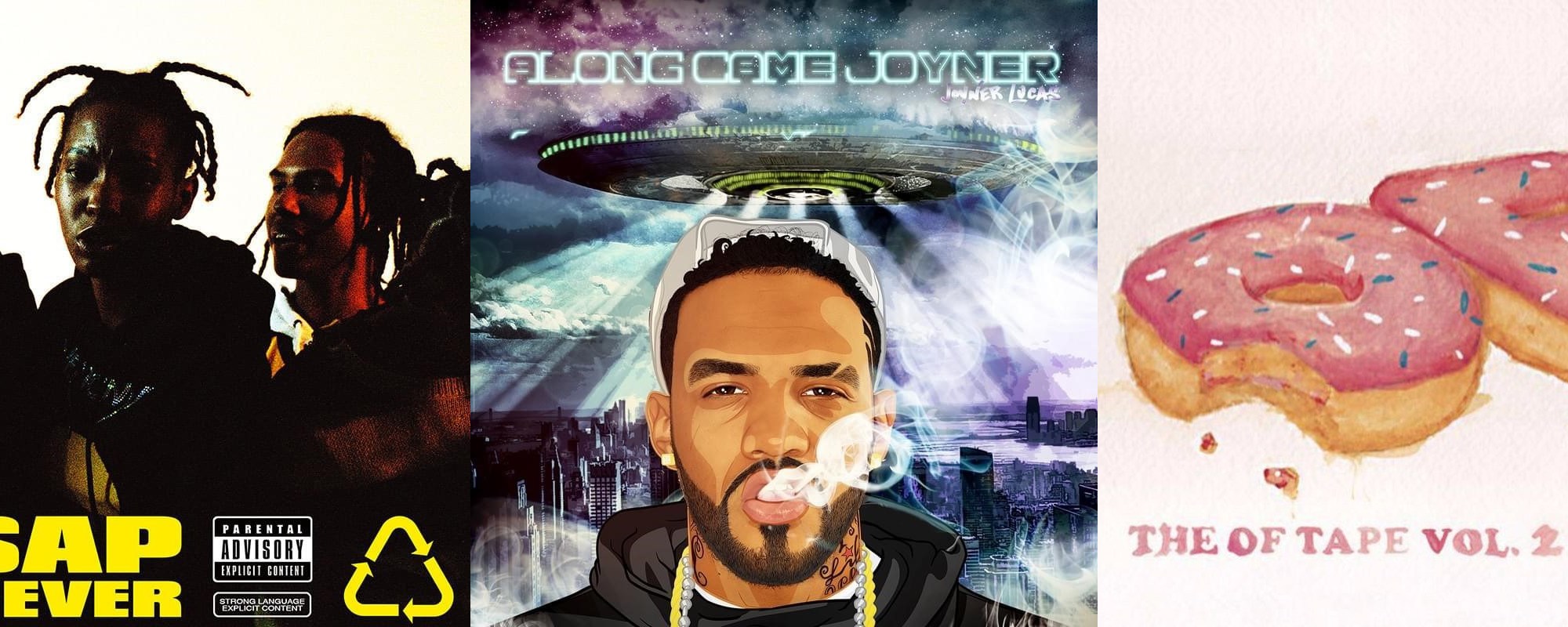
A$AP Forever – A$AP Rocky ft. Moby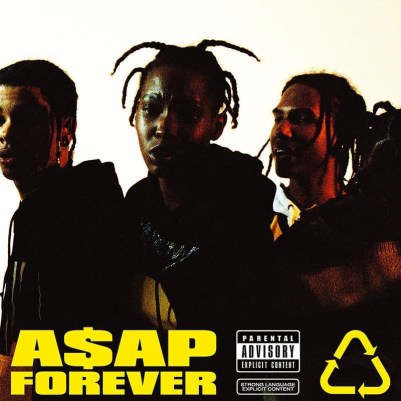
Directed by Dexter Navy, the video shows A$AP Rocky at various places throughout New York, along with the rest of his eponymous group, “A$AP Mob”. Later, the focus of the video shifts to be solely on Rocky, abandoning the previous urban visuals for a more distorted and surreal atmosphere.
The use of transitions is what really makes this video stand out and is the best part of the video. Despite having over 50 different shots within the first ninety seconds, there is not a single simple cut to black, instead using multiple fades within the same frame to give the illusion of the entire video taking place in one shot. Furthermore, the video has also been edited to fit perfectly with the beat of the song, fading to a different shot in synchronization with the bass in the background.
For the most part of the video, there is no real acting occurring whatsoever, instead the shots mostly consist of the Rocky and his friends in everyday situations, with no real set up. However, as the video takes a more surreal turn towards the end, Rocky does in fact begin to act, giving a rather minimalist but still decent performance. Ultimately, there is little focus on acting in this music video.
Most of the video also doesn’t carry much emotional impact, instead choosing to frantically pace around New York City, showing off as much as it can in a fairly small amount of time. As the video begins to slow down in its pace, an emotional undertone begins to show itself as Rocky seemingly falls into some sort of abyss. While it’s open to a lot of interpretation, there is some form of emotional impact that can be taken from the ending of the video.
The scene that stands out the most would be the final one, which contains the aforementioned image of Rocky slowly drifting off into an abyss, having him transform into a testing dummy, before being abruptly cut off by the sudden crashing of a testing car. The contrast from the rest of the much more frenetic scenes causes this one to stand out, and the change in theme (matching the album that this song was a single for) is also quite noticeable. The reason as to why this particular scene works so well though is that it is paced perfectly according to the song that it plays aside, slowing down at the exact moment it needs to.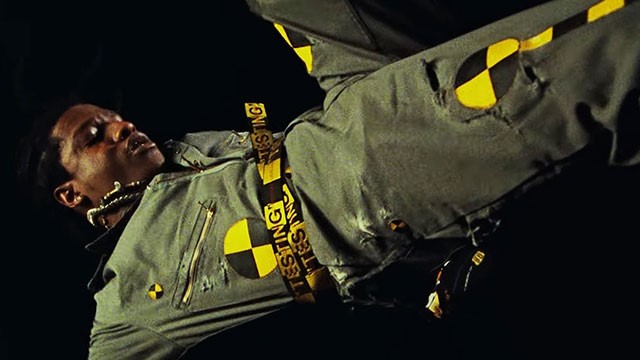
Another scene that stands out would be one that takes place within the first 40 seconds of the video, consisting of constant panning overhead shots over Rocky and the rest of A$AP Mob that fade into one another just as they are about to reach the ground. Just like the rest of the video, these transitions sync-up precisely with Rocky’s lyrics.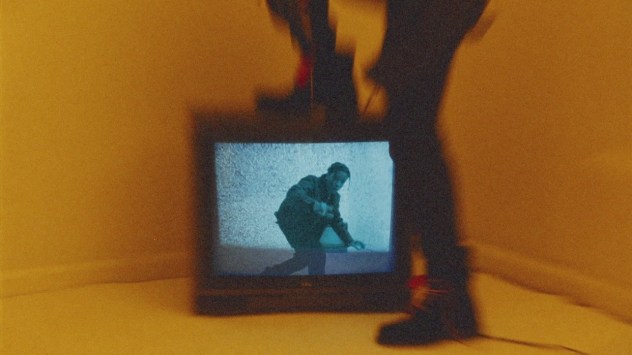
Dexter Navy had worked with Rocky two times before this video: directing the videos for Rocky’s “L$D” (which had a surreal style similar to the end of A$AP Forever), and A$AP Mob’s “Moneyman”. Despite not directing many music videos, he still has a lot of knowledge about cinematography, having done numerous photo-shoots in the past as well.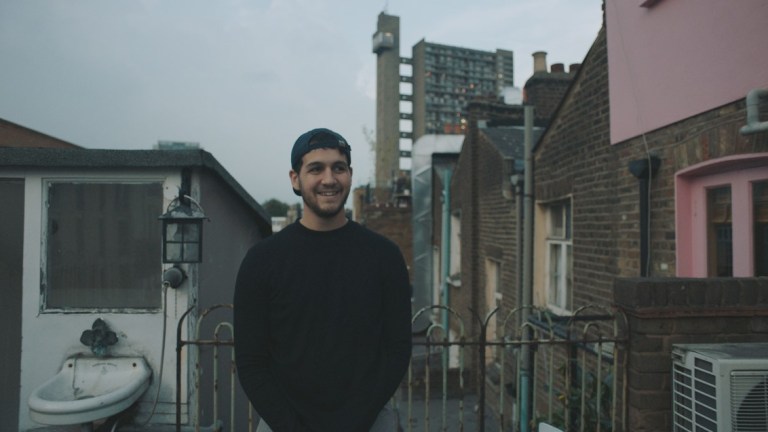
Ross Capicchioni – Joyner Lucas

Directed primarily by Joyner himself, this video shows the point of views of two different people as they interact with each other, ultimately leading to a tragic series of events. It is based on the true story of the shooting of Ross Capicchioni, which took place in 2007.
The biggest feature of this music video is its use of only point of view shots throughout its whole seven-minute run-time. This has been done to immerse the viewer as deeply as possible into the perspectives of the two protagonists of the video. Rather than having the video be edited to the beat of the song, it instead links up Joyner’s lyrics with an on-screen representation of them, taking place precisely when he says them.
The acting is performed exceptionally well for a music video, with Joyner himself even portraying a character in the story. This provides a sense of realism that further helps to invest the audience in the world that has been created for them. This also helps to add an emotional weight to the events that transpire throughout the video, invoking feelings of confusion, fear, sympathy, and even anger at certain points.
The video is attempting to warn the viewer of the horrifying reality of gang violence, particularly what members have to do to get initiated. Furthermore, the video also has the message of being careful as to who you trust, as you never know what their intentions actually are.
The video is made up of two main scenes, each corresponding with the two verses of the song itself. The first scene takes place from the point of view of Ross Capicchioni himself, as he befriends a stranger at his new school. His new friend appears to look after him whenever he gets into trouble with the other people at his school. However, after getting a new car his new friend asks him to drive him out to a secluded area of their neighbourhood, causing him to become suspicious. Begrudgingly, he goes along with the plan, becoming increasingly more nervous as they get closer to the spot. When they arrive, it is apparent that his “friend’s” intentions were in fact sinister, as he takes the keys out of the car’s ignition, preventing Ross from leaving, before taking out a shotgun and shooting Ross in his arm, chest, and then finally his head. Rather than him dying though, he is instead left writhing on the floor in agony as his “friend” takes his car and drives off, leaving him for dead. The reason that this is so impactful is the fact that it all takes place from the perspective of Ross, meaning that the viewer is right there with him as he goes from being bullied in school to getting shot and left for dead by somebody he trusted. 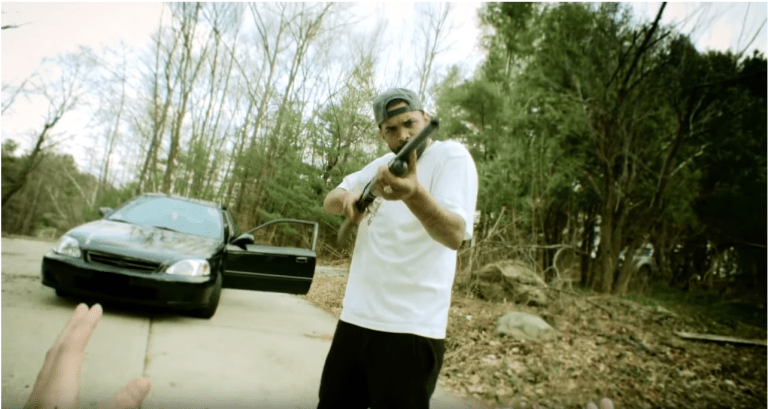
The second scene in the video takes place from the point of view of Ross Capicchioni’s shooter, showing the same events as the first scene but from a new perspective. It details the manipulation that Ross’ “friend” does to him, and finally shows the viewer the reason as to why he did so. The revelation here is that he did all of this to be initiated into a gang. It also shows what the shooter did after shooting Ross: confessing what he did to a member of the gang. This scene works so well due to the juxtaposition between this scene and the previous one, showing two sides of the same story.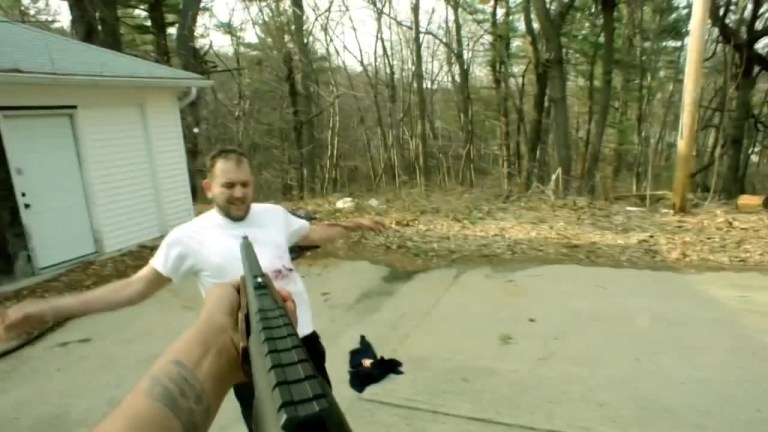
Joyner has gone on to direct many more of his own music videos, such as “I’m Not Racist”, and “I Don’t Die”. This particular video is one of his earlier voyages into directing and is the only one to take place entirely from a first-person perspective. He clearly got inspiration from the shooting of Ross Capicchioni in 2007.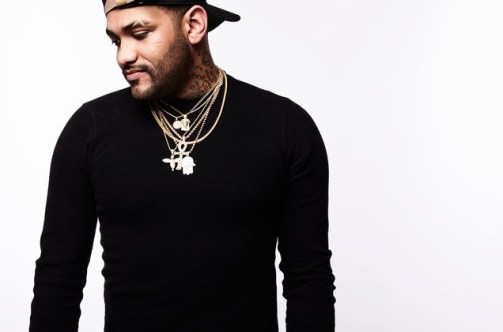
Tyler, The Creator and Domo Genesis – Sam is Dead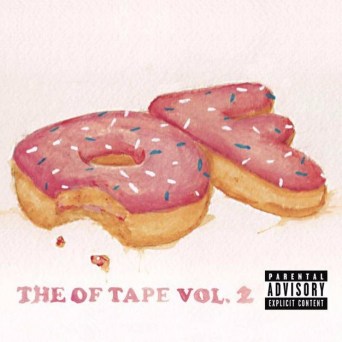
Directed by Wolf Haley, one of Tyler’s many pseudonyms. This video follows a group of soldiers as they track down the titular character Sam. They end up engaging in a gunfight before finding him, executing him promptly after. This video concludes Tyler, the Creator’s Wolf trilogy story-line.
This video is well made due to its rather impressive cinematography, especially when you consider the fact that it is still just a music video. It provides a cohesive story that can stand separately from the song itself while also correlating heavily with it. Furthermore, it also has a good mixture of comedy and action, taking the focus off of the music at certain points while still managing to keep the audience entertained.
The effects are minimal, consisting mainly of gunshot sound effects and a small amount of blood, but they definitely help to add to the overall video. The acting is also quite well done, with solid performances from the cast. Tyler plays four different characters throughout this video while the rest of the cast plays soldiers. The cast members, including Domo, all consist of members of Tyler’s hip hop group “Odd Future”.
The video is a representation for the “war” that is going on in Tyler’s head due to his mental health issues in real life. This could definitely add an emotional impact to anyone watching who may also suffer from similar conditions. Furthermore, fans of the story that Tyler has been telling up until this point may be upset that it has finally reached its conclusion.
The video isn’t edited to the beat of the song, instead allowing it to simply play in the background. Although there are certain parts where the lyrics represent what Tyler is saying in the video. This allows both the song and the video to exist almost as though they were two separate entities.
One stand-out scene would be the very first one. This scene entails two soldiers discussing their lives back home before a bomb goes off in the distance, causing them to stop their conversation and join the rest of their squad for battle. There is then a short montage of clips consisting of soldiers preparing for combat, followed by a title card for the video. As this is at the start of the video, there is no music playing yet, allowing this scene to play out as though it was just a movie, which is an interesting direction for a music video. What makes this scene stand out is the way that it is reminiscent of war movies like ‘Saving Private Ryan’ and ‘Hacksaw Ridge’, giving character to development to what would otherwise just be faceless soldiers. The scene serves as a really interesting introduction to the rest of the music video, getting the attention of the audience before introducing the musical aspect. Arguably, it could even make you care about what may happen to these two soldiers later on in the video.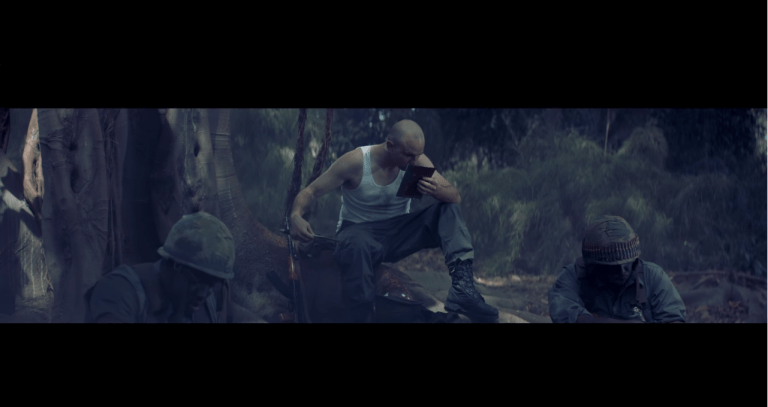
Another scene that is particularly interesting occurs at around the four-minute mark of the video. In this scene, the squad has managed to capture the titular Sam along with his other accomplices and are now standing by as the general executes them one by one. What would typically be a dark and moody scene is lightened in tone by a variety of aspects. To begin with, as the general (also played by Tyler) prepares his weapon, Tyler (lyrically/on the song itself) begins to count down, perfectly in time with the preparation of the general’s weapon. The comedy in the video continues as soon as the general finally shoots Sam, as he is now laying on the ground supposedly dead, but still rapping the words in synchronisation with Tyler. This trait continues for the deaths of the next two characters (all played by Tyler) until there are now three different versions of him dead on the floor while still rapping. Furthermore, when the general loads his weapon for the second character, the sound effects of the weapon cocking is replaced with Tyler saying “click-clack, boom-pow” as onomatopoeia. This style of humour is of course quite dark, and may not resonate well with everyone, however it still attempts to lighten the mood and, in my opinion, does so quite well.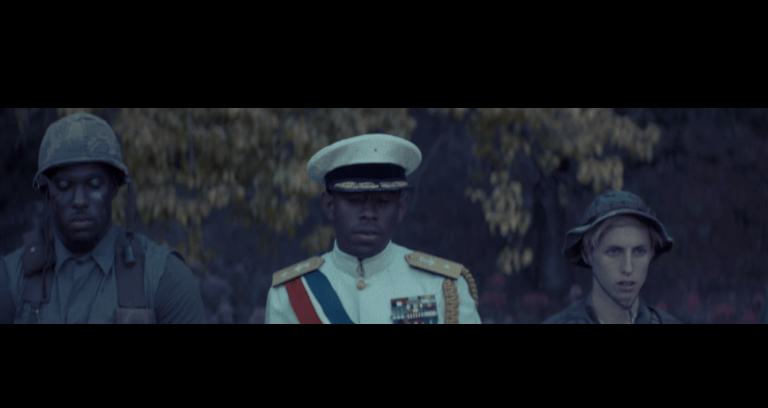
Wolf Haley/Tyler, the Creator is known for directing his own music videos and has been doing so since 2010, with this particular video being released in 2012. Alongside this, he also directed the entirety of the TV Series ‘Loiter Squad’ in 2012 as well. Since this time, he has gone on to direct many more music videos, and a documentary about the creation of his fourth studio album. It is clear that Tyler gathered inspiration from many war movies, as this is the primary concept of the music video. He had also already created many of the characters in this music video beforehand, many being prominent figures on his albums.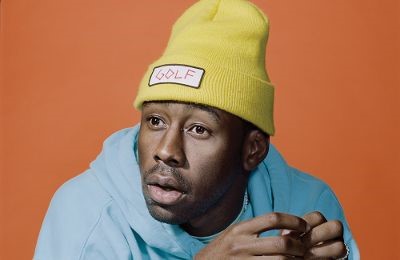
Bibliography
A$AP Forever – https://www.youtube.com/watch?v=BNzc6hG3yN4
Ross Capicchioni – https://www.youtube.com/watch?v=jO_v2sXm-f4
Sam is Dead – https://www.youtube.com/watch?v=i7qaLXEnrUE
Dexter Navy Image- https://www.itsnicethat.com/articles/the-psychedelic-world-of-dexter-navy-300916
Joyner Lucas Image – https://www.billboard.com/articles/columns/hip-hop/8232040/joyner-lucas-look-alive-remix
Tyler, the Creator Image – https://www.allmusic.com/artist/tyler-the-creator-mn0002591087
A$AP Forever Single Cover – https://genius.com/A-ap-rocky-a-ap-forever-lyrics
Joyner Lucas Album Cover – https://genius.com/Joyner-lucas-ross-capicchioni-lyrics
Odd Future Album Cover – https://genius.com/Odd-future-sam-is-dead-lyrics
 Jay's Film and Video